Why Pests Love Your Home’s Foundation
Protecting Your Foundation from Common Pests
Your home’s foundation is much more than a structural base—it is the unseen barrier between your living space and the environment below. While you may rarely think about it, pests of all shapes and sizes have a particular fondness for this part of your property. They are drawn to foundations for survival, shelter, and opportunities to exploit weak points that grant them access to the interior of your home. At 1st Defense Pest Solutions, we understand the intricate relationship between pests and your home’s foundation, and we’re here to share insights on why these uninvited guests find it so irresistible.
The Role Of Moisture In Attracting Pests
Moisture is a magnet for pests, and your foundation is often a hotspot for dampness. Poor drainage, leaky pipes, or improper grading can lead to water pooling around the base of your home, creating the perfect environment for a host of unwelcome invaders. Pests such as termites, ants, centipedes, and even some rodents thrive in humid conditions. Foundations that retain moisture or allow water to seep into nearby soil become a beacon for these pests, signaling a prime location for shelter and sustenance.
Termites, in particular, are infamous for their ability to target foundations. These wood-destroying insects are especially drawn to moist wood, often gaining access through cracks in the foundation or direct contact with the soil. Once inside, termites can tunnel into structural beams, quietly wreaking havoc over months or even years. The damage they cause can compromise the stability of your home and lead to costly repairs. Similarly, ants—especially carpenter ants—are drawn to damp areas where they can establish colonies and forage for food, sometimes carving out nesting sites within your walls or wooden fixtures.
Even the tiniest amounts of moisture can attract pests, sustaining them in otherwise inhospitable environments. A small drip from a pipe, condensation near a vent, or a neglected gutter overflowing onto your foundation can provide just enough water to support a pest population. Once pests settle near your foundation, they begin to exploit vulnerabilities, such as cracks, crevices, or gaps around utility pipes, using them as entry points to invade your home. Left unchecked, these infestations can escalate, making moisture control and pest management essential for maintaining the integrity of your property.
Shelter And Temperature Stability
Your foundation offers shelter and a stable environment that many pests find irresistible. The space beneath your home—be it a crawl space, basement, or slab foundation—provides consistent temperatures and protection from predators and extreme weather. These conditions create a haven for a variety of pests seeking refuge from harsh outdoor elements, making foundations a hotspot for infestations.
Rodents such as mice and rats are particularly adept at exploiting foundations. During colder months, they often burrow nearby to create nests, using the foundation as both a barrier and an access point to the interior of your home. These highly intelligent creatures can squeeze through gaps as small as a quarter-inch, gaining entry into basements, crawl spaces, and even wall voids. Once inside, they gnaw on wires, insulation, and stored goods, leaving behind a trail of destruction. Beyond the physical damage, rodents pose significant health risks by spreading diseases like hantavirus and salmonella and contaminating surfaces with droppings and urine.
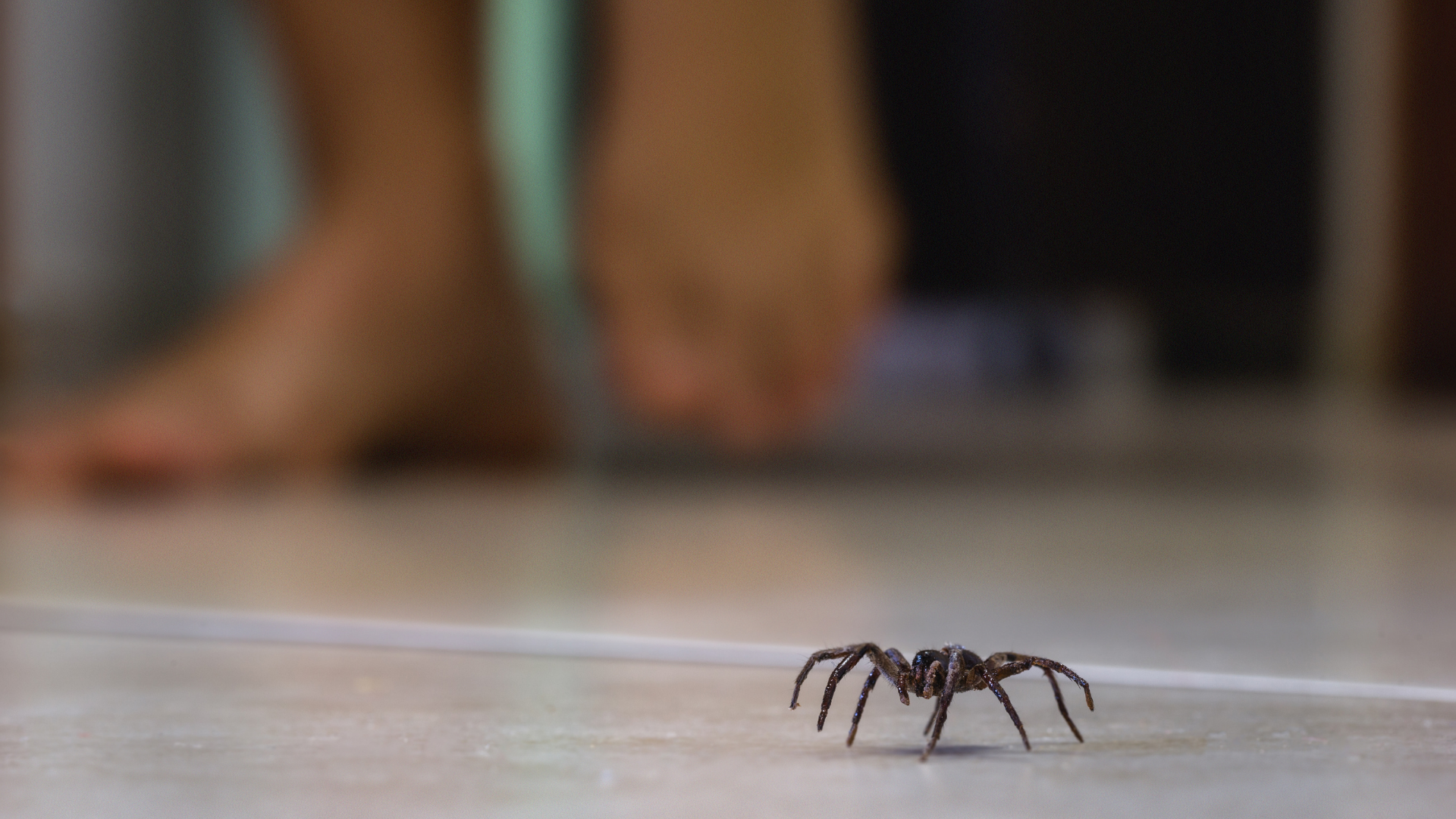
Spiders and cockroaches are also drawn to the dark, secluded spaces foundations provide, making them ideal for hiding and breeding. These pests thrive in undisturbed environments and often move indoors in search of food and water. Once established, they can spread quickly, creating larger infestations that require immediate attention to prevent further intrusion into your living spaces.
Cracks And Crevices
The structural integrity of your foundation plays a critical role in determining its vulnerability to pests. Over time, even the strongest foundations can develop cracks and crevices due to settling, temperature fluctuations, or poor construction practices. These seemingly small openings become prime entry points for a wide range of pests, including ants, termites, millipedes, and even snakes. Once pests find a way in, they can quickly exploit these breaches to establish nests, forage for food, and expand their colonies within your home.
Termites are particularly notorious for their ability to infiltrate through the tiniest of cracks. These wood-destroying insects are relentless, often navigating undetected for years as they tunnel into wooden structures, compromising your home’s stability. The damage they cause is often extensive by the time it becomes apparent, leading to costly repairs. Similarly, ants frequently utilize foundation cracks, establishing colonies close to food sources and becoming a persistent nuisance.
Even non-structural gaps, such as those around utility pipes, vents, or window wells, are ideal access points for pests. These minor openings may seem insignificant, but they act as highways for insects and rodents seeking refuge. Regular inspections and timely maintenance of your foundation are essential steps to seal off these vulnerabilities and prevent pest infestations from taking hold.
The Attraction Of Organic Debris
Foundations often accumulate organic debris, such as fallen leaves, mulch, or even remnants of landscaping. While these materials might seem harmless, they create a buffet for pests like cockroaches, ants, and beetles. Organic debris also traps moisture, further enhancing the attractiveness of your foundation to pests.
Mulch is particularly problematic when placed too close to a foundation. While it’s great for retaining soil moisture and beautifying your landscape, it provides an ideal habitat for pests like termites and earwigs. These pests often use mulch as a launching point to access your home’s foundation, leading to potential infestations.
Even vegetation growing too close to the foundation can pose risks. Overgrown plants and bushes provide cover for pests, while tree roots can create cracks in the foundation, allowing pests to enter.
While maintaining a clean and dry foundation is a good start, professional intervention is often required to fully protect your home from pest-related issues. Effective pest management includes a combination of prevention, early detection, and targeted treatments to address existing problems.
At 1st Defense Pest Solutions, we specialize in protecting homes from the ground up. Our team understands the unique challenges posed by pests and the role your foundation plays in attracting them. By inspecting your foundation for cracks, moisture, and debris, we can identify vulnerabilities and create a customized treatment plan to keep pests at bay.
Your foundation is the cornerstone of your home’s stability and safety. Don’t let pests compromise its integrity or your comfort. At 1st Defense Pest Solutions, we offer comprehensive pest control services designed to protect your home from the pests that target your foundation.
Contact us today to schedule an inspection and take the first step toward a pest-free home. With our expertise and commitment to excellence, you can trust us to safeguard your property and provide peace of mind. Let 1st Defense Pest Solutions be your partner in defending your home from the pests that love its foundation as much as you do.