Pests Lurking In Unexpected Spots
Strange Pest Hangouts Around The Home
It’s no surprise that someone’s home often feels familiar, even predictable, but somehow small intruders have a knack for choosing hideouts that most people would never think to check. Pests are often drawn to quiet, insulated spaces where warmth or stillness creates tiny shelters that go unnoticed. These hiding spots might seem too cramped or randomly located to appeal to any creature, but many small critters prefer indoor environments that offer darkness, steady temperatures, and a chance to remain undisturbed for long periods of time.
Understanding what draws these little intruders into tight, warm, or secluded areas affects how your professionals approach prevention. Animals follow their instincts and, in this case, those instincts guide them toward places that protect them from sudden movement or changes in temperature. Once they find a comfortable pocket, they settle in and stay hidden until their presence is discovered. Learning which unusual spaces tend to attract them helps homeowners spot trouble before it grows into something more serious.
Hidden Havens Throughout Daily Living Spaces
Curtain rods and window hardware sit high above ordinary activity, yet these spots offer a surprisingly comfortable environment for small creatures looking for privacy. Loose fabric hanging near sunlit windows naturally warms up during the day and cools slowly as the room shifts temperatures. The space above the rod stays still, and the gap between the fabric and the hardware forms a quiet ridge where little movement happens. Because curtains aren’t lifted or shaken often, anything tucked there can remain concealed for quite a while.
Behind wall decorations and picture frames, a different environment forms. These spaces offer complete shade and remain still day after day. The small gap between the frame and the wall creates a pocket of air with little circulation. Insects and other pests tend to favor this kind of consistency. Once something is hung on the wall, it rarely gets moved, creating long-term shelter for anything that’s squeezed behind it.
Power strips, electronic chargers, and clusters of cables provide yet another "hot" zone. Electronics give off warmth even after they’re turned off, and the steady temperature combined with faint vibration can attract small creaturessearching for sheltered heat sources. These items are usually tucked behind desks, entertainment centers, or nightstands, where dust and cords create additional cover. Because these spaces stay mostly untouched, they become convenient hiding places close.
Under couch cushions and within furniture seams, there are often layers of fabric that create a cozy, insulated interior. The couch cushions trap heat, and the folds and crevices throughout various furniture pieces form uninterrupted pockets of darkness. These areas are soft and warm and stay that way, even when the room cools, so tiny intruders find comfortable shelter there. The angle of furniture against the floor can also produce narrow gaps that keep small creatures hidden from view.
Warm Corners, Quiet Shadows, And Still Spaces
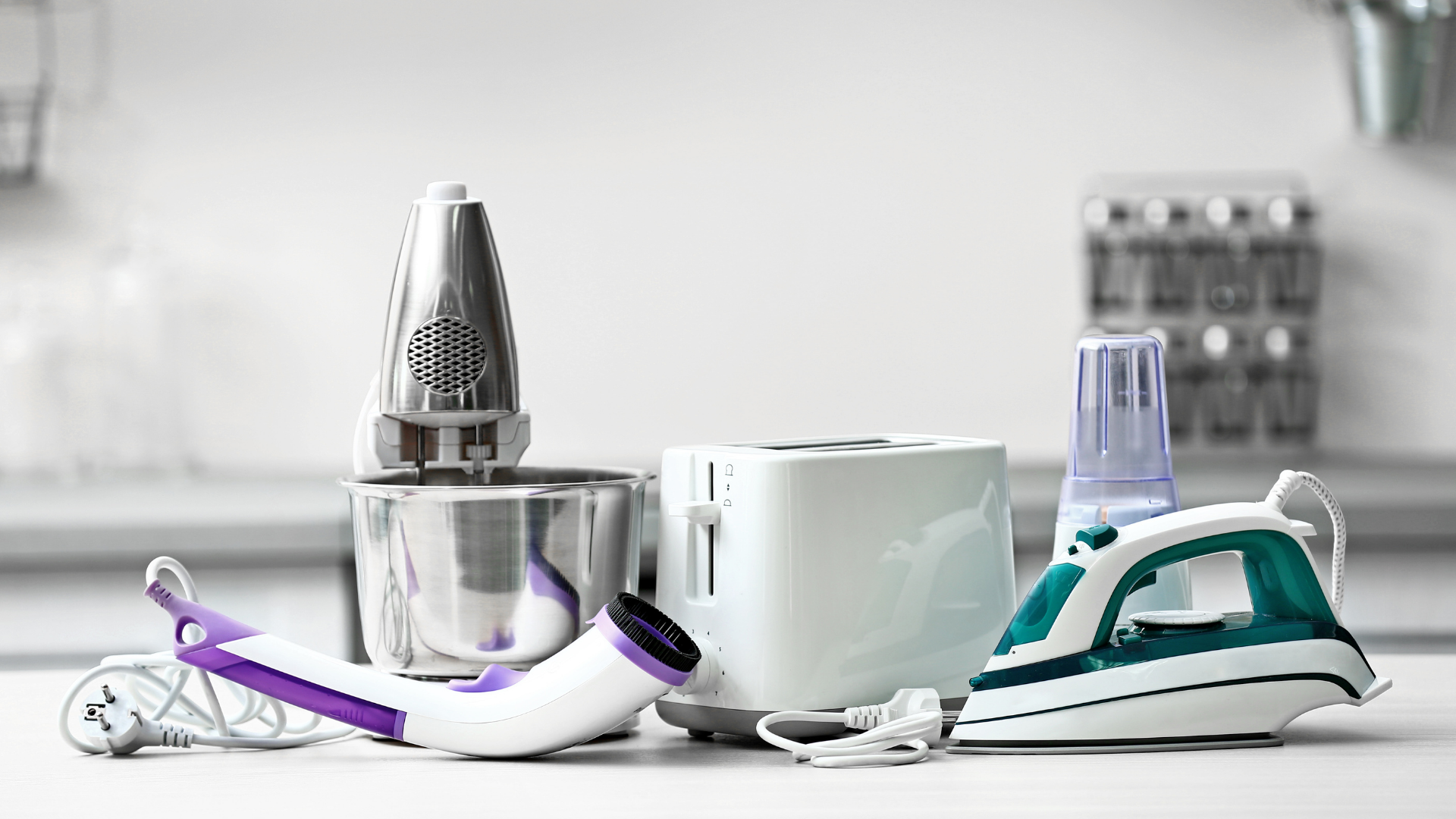
Behind large appliances, the appeal comes from a blend of warmth and near-total stillness. Refrigerators, ovens, and dishwashers give off heat from their motors or heating elements, and the narrow strip between the appliance and the wall becomes a protected zone. Since these appliances barely move, the ground behind them collects dust, crumbs, and warmth, creating an ideal pocket for insects and other tiny movers.
Stored bags, boxes, and totes offer a completely different type of shelter. Fabric and cardboard breathe in a way that keeps interiors comfortable, and storage containers tend to sit untouched for months. Any forgotten gym bag, seasonal bin, or old backpack can inadvertently become a long-term hideout. Items stored under beds or inside closets add even more cover, giving unwanted visitors a reliable sense of security.
Plant pots and decorative arrangements provide pockets of moisture and shade that many small creatures find irresistible. Soil stays damp longer than most indoor surfaces, and the hidden space beneath a pot or inside a drainage tray can trap humidity. Leaves from decorative plants, especially artificial ones, form small shelters that protect insects from airflow or sudden temperature shifts. Even though these are part of home décor, they mimic outdoor environments where many species naturally thrive.
Laundry areas bring their own set of conditions. Warm air from dryers, lint buildup, and piles of clothing create small pockets of shelter. Laundry baskets, particularly those filled with clothes waiting to be washed, hold warmth and scent that attract tiny intruders. Behind machines, the air stays warm and still, forming an ideal environment for anything seeking a protected corner.
Closets, shoe racks, and layered clothing offer an abundance of texture and darkness. Shoes that sit for weeks or months at a time can accumulate warmth or small debris that attract insects. Clothing layers create soft, insulated pockets that remain undisturbed. Because closets tend to have low airflow, the space stays consistently dim and quiet, offering an inviting retreat.
Attics and basements add yet another category of overlooked hiding places. Holiday bins that sit untouched for long spans, insulation gaps tucked behind support beams, and dim corners behind stored furniture create a maze of potential hideouts. While temperatures in these areas fluctuate, the interior of storage boxes or the layers within insulation remain steady. Since these spaces aren’t visited often, small intruders can exist there for long periods without detection.
What Makes These Odd Spots Appealing
Across all these unusual spaces, certain conditions repeat themselves. Warmth plays a major role in attracting insects and other small creatures. Moisture, whether from soil, fabric, or steam from appliances, adds another layer of appeal. Tight spaces offer protection, giving pests the cover they need to move around without exposure. Some even seek the slight vibration produced by electronics or appliances because it mimics natural environmental patterns. Altogether, these conditions create micro-environments that feel stable and secure.
When professionals examine a home, they take a systematic approach designed to uncover activity in these unconventional locations. They look for subtle signs such as tiny markings, minuscule debris, or areas where objects sit slightly unevenly. They check behind items that rarely get moved and examine warm zones near electronics or appliances. Specialized tools allow them to see into cracks, gaps, and narrow spaces that are difficult to inspect otherwise. Their training helps them recognize patterns that the average person might overlook, especially in rooms filled with décor or heavy furniture.
Knowing when to call for expert help depends on the signals that start appearing. Repeated sightings near curtains, unusual debris around furniture seams, or activity around electronics can point to unseen intruders. Small noises, unexplained specks, or movement in areas that don’t get touched often may indicate a larger issue. Persistent activity after cleaning or reorganization is another hint that something might be settling into unusual hiding spots and needs professional attention.
If unexpected hideouts around your home are attracting unwanted visitors, professional support can make all the difference. The team at 1st Defense Pest Solutions can locate activity in the hidden places most homeowners never think to check.
Contact us today if you’re noticing signs that something may be settling into any hidden spots or potentially overlooked areas of your property.