Seasonal Weather And Pests
How Seasonal Weather Patterns Affect Common Household Pests
In Wisconsin, the rhythm of the seasons defines not just the landscape but also the habits and behaviors of pests. Each season brings its own challenges, as changes in temperature and moisture levels directly influence how and where pests seek shelter, food, and nesting sites. Understanding these seasonal patterns can help homeowners anticipate and prevent pest problems before they escalate, ensuring their homes remain safe and comfortable throughout the year.
Winter: Pests Seeking Shelter
When Wisconsin’s temperatures plummet, pests such as rodents and spiders look for refuge indoors. Mice and rats are particularly troublesome during the winter months, as they invade basements, attics, and crawl spaces in search of warmth and food. These small but destructive creatures can chew through insulation, wires, and even drywall, leaving behind droppings that contaminate surfaces and air quality.
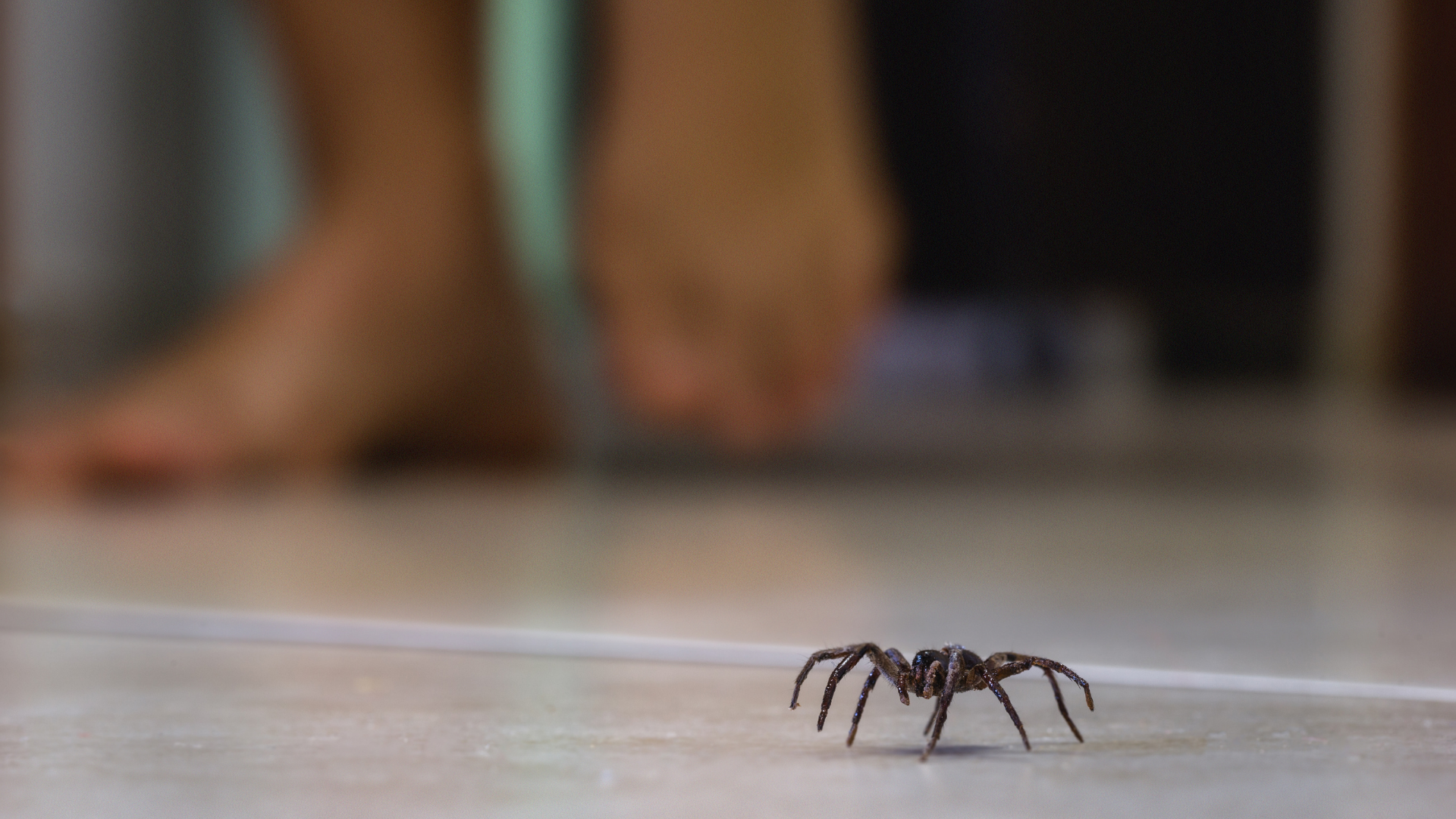
Spiders, another common winter guest, thrive in quiet, undisturbed spaces like storage areas or garages. While most spiders are harmless, species such as the brown recluse can pose serious risks. They prey on smaller insects that also find their way indoors, perpetuating the cycle of infestation.
To keep pests at bay during the colder months, homeowners should focus on sealing gaps and cracks around windows, doors, and foundations. Regularly inspecting and organizing storage areas can discourage pests from settling in, and maintaining a clean, clutter-free environment reduces the likelihood of infestation.
Spring: The Season of Renewal and Activity
As the snow melts and nature awakens in Wisconsin, pests emerge from their winter dormancy. Spring is a time of heightened activity for many species as they search for food, water, and nesting sites. Carpenter ants become particularly active in the spring, often entering homes through cracks in the foundation or wood structures. Unlike common ants, carpenter ants can cause significant damage by tunneling through wood to create their nests.
Stinging insects like bees, wasps, and hornets also become more noticeable in the spring as they begin building new nests. These pests often choose areas near human activity, such as under eaves, in trees, or within sheds, posing risks for families spending time outdoors.
Ticks are another concern in spring, especially in wooded or grassy areas. These parasites latch onto humans and pets, potentially spreading diseases such as Lyme disease. With Wisconsin’s abundance of forests and hiking trails, ticks are a significant seasonal hazard.
To mitigate pest activity in the spring, it’s essential to address potential entry points early. Inspect your property for signs of nests, clear away debris, and keep landscaping well-trimmed. Applying tick prevention treatments to outdoor areas and pets can further reduce risks.
Summer: Peak Pest Activity
The warm, humid summers in Wisconsin are a time of rapid reproduction and heightened pest activity. Mosquitoes are a perennial summer nuisance, especially in areas with standing water. Beyond their itchy bites, mosquitoes can transmit diseases such as West Nile Virus.
Flies, including houseflies and fruit flies, become more prevalent during the summer. They are drawn to food waste, decaying matter, and sugary substances, making kitchens and trash bins their primary targets. Proper waste management and cleanliness are critical during this season to prevent infestations.
Termites, particularly subterranean termites, are another summer concern. These pests thrive in moist soil and can cause severe damage to a home’s foundation and wooden structures. Spotting mud tubes near your foundation or discarded wings is often the first indication of a termite problem.
Managing summer pests requires vigilance. Removing standing water, securing trash bins, and maintaining proper drainage around your home can significantly reduce the appeal of your property to pests. Professional treatments, especially for termites and mosquitoes, can provide long-lasting protection.
Fall: Preparing for the Cold
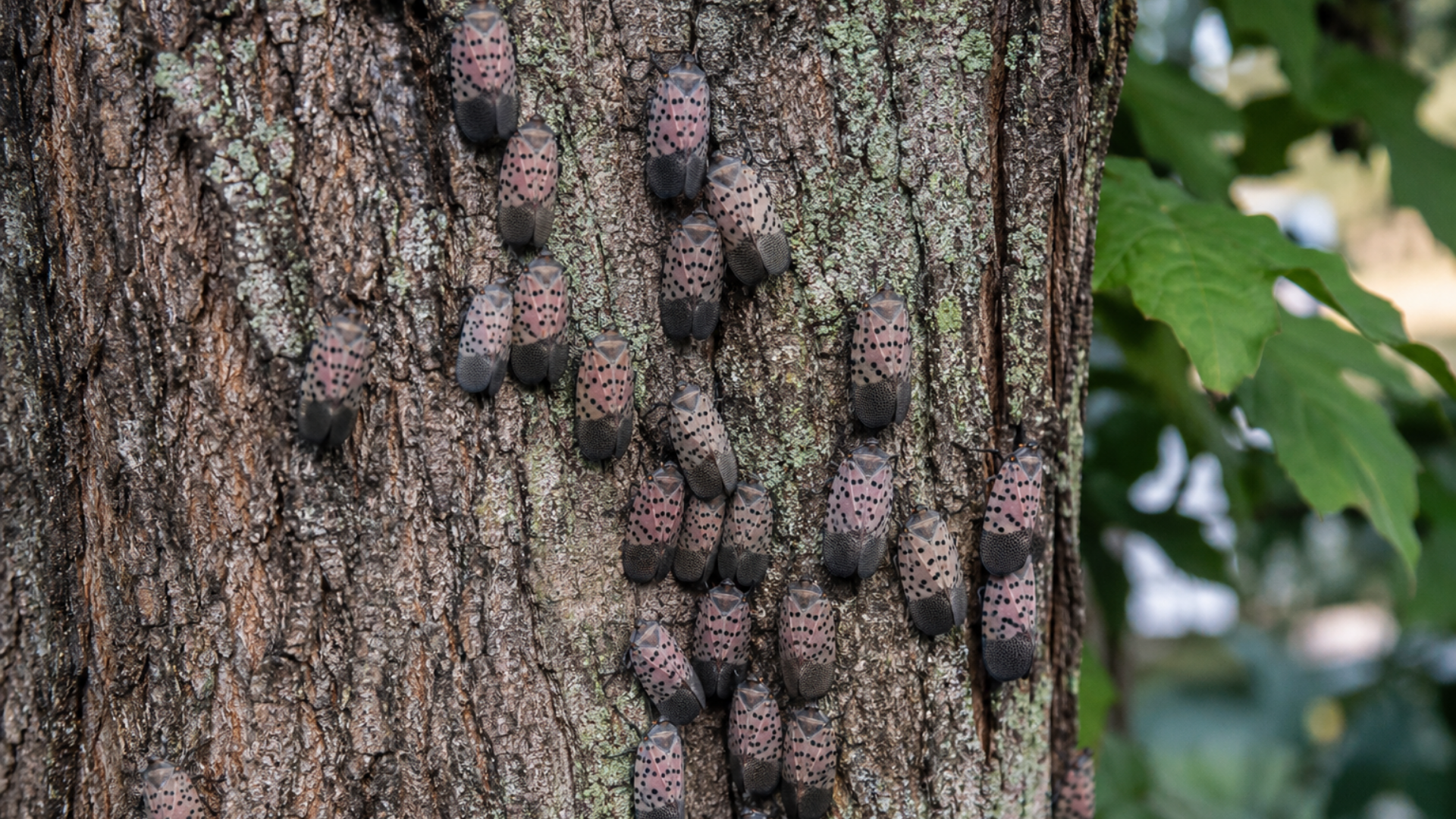
As the days shorten and temperatures drop in Wisconsin, pests begin their migration indoors to prepare for winter. This is the season when boxelder bugs, Asian lady beetles, and stink bugs invade homes in large numbers. While these pests are generally harmless, their presence can quickly become overwhelming.
Rodents also intensify their activity during the fall, scouting for secure locations to nest over the winter. Their sharp teeth and resourceful nature allow them to exploit even the smallest openings in your home’s exterior.
Bees and wasps, nearing the end of their life cycles, become more aggressive in the fall. Their heightened activity can lead to an increased risk of stings, especially as they compete for dwindling food sources.
To prevent fall infestations, homeowners should inspect their homes for entry points and seal any gaps or cracks with weatherproof materials. Clearing gutters, trimming tree branches near the house, and securing outdoor storage areas can also help deter pests.
Year-Round Pest Prevention Strategies
While pest activity fluctuates with the seasons, some strategies remain effective throughout the year. Regular maintenance and cleanliness are foundational to keeping pests away. Cluttered areas, food waste, and unsealed garbage bins are prime attractions for pests, making consistent cleaning and organization a must.
Home maintenance also plays a crucial role in pest prevention. Checking for leaks, repairing damaged screens, and ensuring proper ventilation can prevent many common issues. For example, leaky pipes or poor drainage can create conditions ideal for termites, mosquitoes, and other pests.
Professional pest control services provide an additional layer of security. Routine inspections can identify potential vulnerabilities and address infestations before they become severe. By partnering with a trusted provider, you can ensure that your home remains a safe haven, regardless of the season.
At 1st Defense Pest Solutions, we understand the challenges that Wisconsin homeowners face when it comes to seasonal pest activity. From the icy grip of winter to the humid heat of summer, each season brings its own unique threats. Our comprehensive pest control services are designed to address these challenges head-on, providing tailored solutions that keep your home pest-free year-round.
Don’t allow pests to invade your comfort or jeopardize the integrity of your home. At 1st Defense Pest Solutions, we’re committed to providing tailored solutions that protect your property through every season. Whether it’s mice seeking shelter during the harsh Wisconsin winters or mosquitoes swarming in the humid summer months, we have the expertise and tools to address your unique pest control needs. Our thorough inspections and proactive treatments ensure that your home remains a safe, pest-free haven all year long. By acting now, you can prevent small issues from escalating into costly problems and enjoy peace of mind knowing your home is well-protected. Contact 1st Defense Pest Solutions today to schedule your inspection, and let us help you create a safer, healthier environment where you can fully appreciate the changing seasons without the stress of unwelcome guests.