What Pests Are Lurking Around Your Home?
Battling Attic And Basement Pests
Have you ever stopped to think about what might be lurking in the dark corners of your attic or basement? It's a question that often goes unasked until it's too late. Pests, both big and small, can find their way into these hidden spaces, posing risks that we might not even be aware of.
As homeowners in Wisconsin, we're no strangers to the challenges that our unique climate and geography can bring. Our beautiful state offers an array of seasonal changes, but it also creates an environment where pests can thrive.
Commonly Found In Attics
Many homeowners find that their attics become a refuge for unwanted guests. These spaces, often neglected and out of sight, can house various pests that can pose both health risks and property damage.
- Rodents can easily find their way into homes, especially during colder months when they seek warmth. Their tiny size allows them to enter homes through the smallest of gaps. Mice and rats not only cause damage by chewing through materials but can also spread diseases. Their droppings can be a health hazard if left untreated.
- Ants are drawn to food sources and seeking shelter and can contaminate food.
- Wasps build nests in the warm, dry environment of an attic and can become aggressive and sting.
- Certain types of beetles are attracted to wood, textiles, or stored goods and can damage them.
- Bats prefer dark and secluded areas, making attics an ideal location for them. They can squeeze through tiny openings to gain access to a home. While they play a crucial role in our ecosystem by consuming insects, their droppings, known as guano, can produce mold that can lead to respiratory issues in humans.
Commonly Found In Basements
Basements, often dark and damp, are prime territories. Since basements are below ground, they offer an environment that is attractive to a variety of creatures. The nature of basements—being out of daily sight and often used for storage—means that homeowners might not frequently check them.
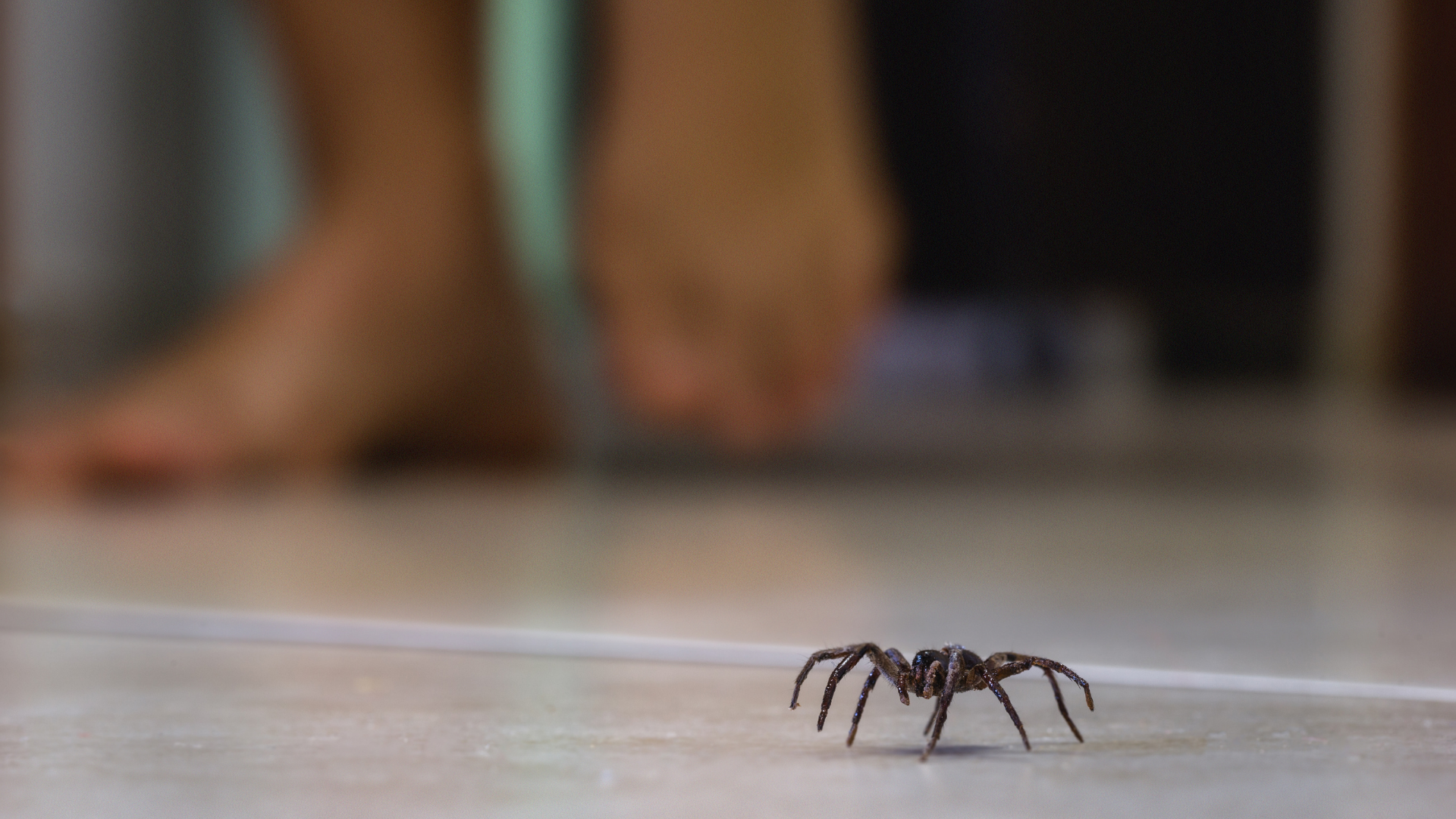
- Spiders are frequently found in basements. They're attracted to this environment because it's often dark and offers many places to hide and catch prey. Spiders can build extensive webs and reproduce in large numbers without immediate detection.
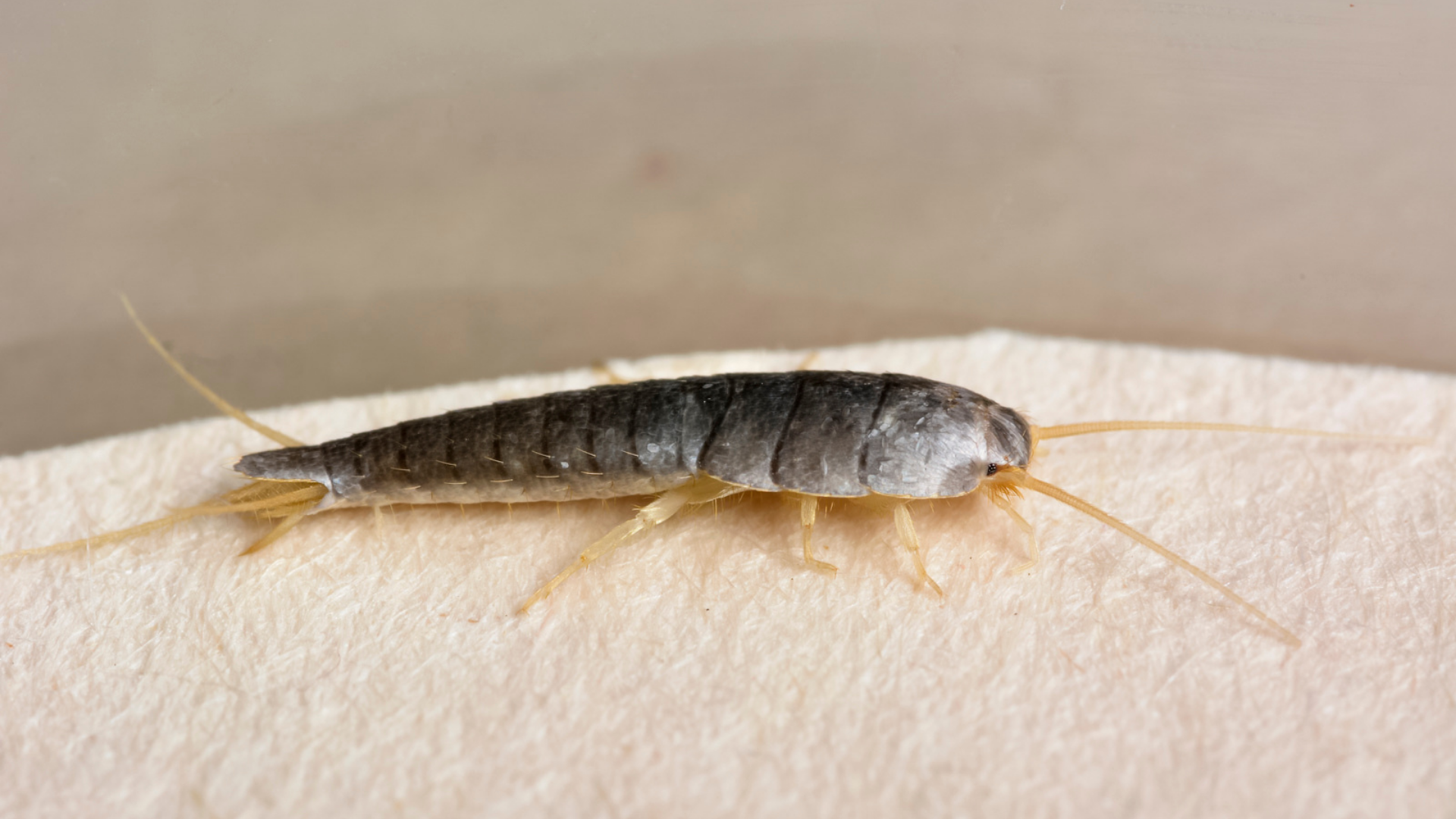
- Silverfish are small, silvery insects thrive in damp conditions. They're often found in basements where they feed on paper, textiles, and other starchy materials. They can steadily consume materials and multiply, causing damage to stored items.
- Termites are wood-eating insects that can cause significant damage to homes. While they primarily feed on wood, they can also be found in basements, particularly if there's any wood present. They can quietly destroy the structure of a home from the inside out. By the time their presence is noticed, they might have already caused considerable damage.
The hazards posed by these pests range from simple nuisances, like spider webs, to more serious threats, like the structural damage caused by termites. It's crucial for homeowners to routinely inspect their basements to catch them early and prevent potential harm.
Recognizing Infestations
Imagine walking into your attic or basement and stumbling upon a nest tucked away in a corner or hearing faint scurrying sounds in the stillness of the night. These are early warnings that unwanted guests might have made your home their own. The tiny droppings left behind, or those unmistakable gnaw marks on your belongings, aren't just signs of a nuisance; they're telltale indicators of pests that may pose significant risks.
As you move through the dimly lit spaces of your home, using a flashlight to peek into corners and hidden nooks, you'd be surprised at what you might find. Wearing gloves can shield you from potential dangers as you delve deeper into your investigative journey. And while these discoveries might be unsettling, identifying them early can be your first line of defense.
But beyond the initial shock of discovering you're sharing your living space with pests, there's a more pressing concern: your health. The same mice or rats that find shelter in the warmth of your home can also be triggers for allergies in many people. Even the dust left behind from decomposed insects, or the mold growing from bat droppings, can become airborne hazards, leading to respiratory problems when inhaled.
It's not just about the physical damage, it's about the unseen health threats they bring with them. Some of these creatures are carriers of diseases. For instance, bats, with their nocturnal flights, can sometimes carry rabies, a serious health concern.
The importance of maintaining a pest-free environment isn't merely to protect your property; it's about ensuring the well-being of everyone inside. Recognizing the early signs and taking prompt action can be the difference between a minor inconvenience and a major health issue.
Prevention: The Best Defense
Instead of waiting for pests to become a problem, it's always wiser to stop them before they start. Regular inspections of your home can catch early signs of these intruders. And, simple steps, like sealing gaps or cracks and keeping basements dry, can deter many common pests. However, sometimes the challenges are too significant for a homeowner to handle alone. This is where professional help can be invaluable.
We provide tailored services, designed to address the specific attic and basement pests. Trusting 1st Defense Pest Solutions ensures not just a pest-free home but also peace of mind, knowing that the job is done right.
Contact us today for a free estimate.