Most Destructive Pests
Spotting And Stopping Destructive Pests In Your Home
Imagine sitting in the comfort of your home, completely unaware of the silent invaders that are gradually wreaking havoc on your property. Pests, though often small and inconspicuous, can cause significant damage that might go unnoticed until it's too late. Recognizing and addressing pest infestations early is crucial in preventing costly repairs and ensuring the safety of your home.
Wood-Destroying Pests
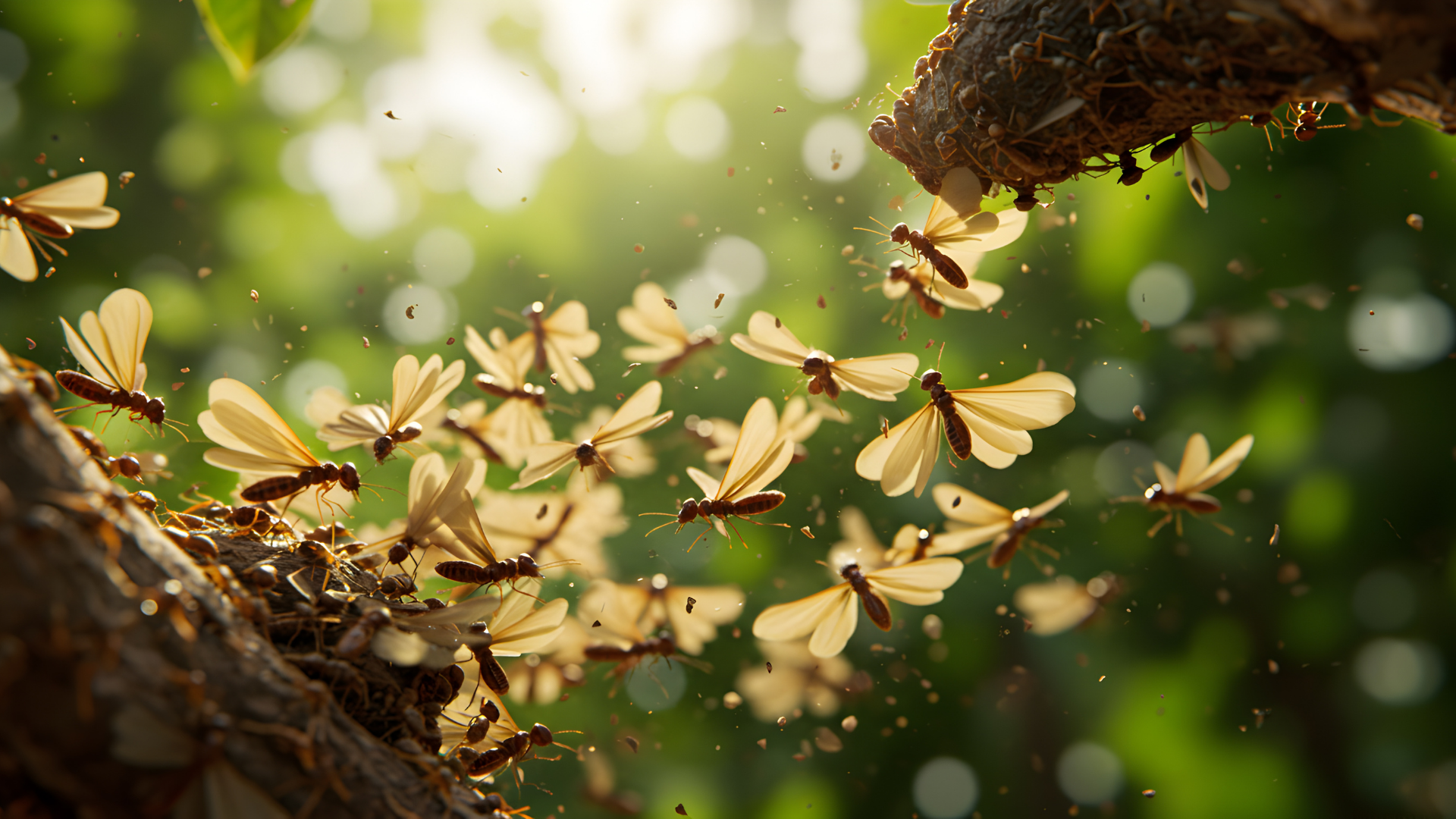
Termites are notorious for their ability to cause extensive damage without being detected until significant harm has already been done. These tiny insects feed on cellulose, the main component of wood, making the structures of your home their ideal buffet. There are two main types: drywood and subterranean. Signs of drywood include fecal pellets and blisters in wood, and they cause slow but extensive structural damage. They are attracted to dry wood, making your attic and wooden furniture prime targets. Subterraneans, on the other hand, live in moist environments, typically underground. Signs of their presence include mud tubes and damaged wood filled with soil. These termites cause rapid and severe structural damage and are attracted to moisture-rich environments like basements and bathrooms.
Carpenter Ants, unlike termites, do not eat wood but excavate it to create their nests. This activity can cause significant structural damage over time. Signs of an infestation include sawdust-like material (frass) near wooden structures, rustling noises within walls, and large black or red ants spotted indoors. The damage they cause includes hollowed-out wood structures, weakened support beams and frames, and increased susceptibility to further pest invasions. They are attracted to moist, decaying wood, sweet substances and proteins, and untreated or unprotected wooden structures.
Carpenter bees, unlike their social relatives, are solitary insects that bore into wood to lay their eggs. This behavior can lead to structural damage over time. Signs of a carpenter bee infestation include circular holes bored into wood surfaces, sawdust-like material near entry holes, and yellowish stains from bee droppings. The damage they cause includes cosmetic and structural damage to wooden structures, attraction of woodpeckers seeking bee larvae, and compromised aesthetic and structural integrity. Carpenter bees are attracted to untreated or unpainted wood, softwood like pine, cedar, and redwood, and existing holes or crevices in wood.
Powderpost beetles are wood-boring insects that can cause significant damage to hardwoods over time. Signs of a powderpost beetle infestation include small, round exit holes in wood, fine, powdery frass near infested wood, and weak, crumbling wood structures. The damage they cause includes extensive damage to hardwood floors, furniture, and framing, reduced structural integrity, and devaluation of infested property. Powderpost beetles are attracted to unsealed hardwood, moisture in wood, and previous infestations.
Other Destructive Pests
Rodents, including rats and mice, are common household pests that pose a significant threat to both property and health. Signs of a rodent infestation include droppings in hidden areas, gnaw marks on wires, wood, and food packaging, and scratching sounds from attics or walls. Rodents have incredibly hard teeth, capable of gnawing through materials as tough as concrete and metal, which they constantly use to keep their ever-growing incisors in check.
Chewed electrical wires are a major concern, as they can lead to dangerous fire hazards. Structural damage is another significant issue; rodents gnaw on wooden beams, drywall, and insulation, weakening the integrity of your home. Additionally, they can damage plumbing by chewing through plastic pipes, leading to leaks and water damage. Contaminated food supplies are also a common problem, as they chew through packaging and leave behind droppings and urine, which can spread diseases. Rodents are attracted to easily accessible food sources, such as crumbs and improperly stored food, making kitchens and pantries particularly vulnerable.
Cockroaches are notorious carriers of diseases, making their presence in homes particularly concerning. Signs of a cockroach infestation include a foul, musty odor, droppings resembling coffee grounds, and sightings of roaches during the day, which often indicate a severe infestation. They spread bacteria and allergens, contaminating food and surfaces, which can lead to food poisoning and allergic reactions. Their presence also results in psychological distress and embarrassment, as these pests are often associated with unsanitary conditions. Physically, they are known to gnaw on paper products, including books, wallpaper, and important documents.
Additionally, they can damage fabrics and leather goods, and their droppings can stain surfaces, leaving behind unsightly marks and odors. Cockroaches are attracted to food crumbs and spills, making kitchens and dining areas prime targets. Unsealed garbage provides a steady food supply, while moisture and warmth found in bathrooms, kitchens, and basements create ideal living conditions for them.
Bed bugs are small, parasitic insects that feed on the blood of humans and animals. They can burrow into the seams and crevices of mattresses, leaving behind fecal stains, shed skins, and sometimes even a musty odor. The damage to mattresses can be significant, often necessitating replacement. Bedding, including sheets, pillowcases, and blankets, can also become ruined with excrement and blood spots.
Wooden furniture is not immune either; bed bugs can hide in cracks, joints, and other small spaces. The infestation can lead to visible staining, odors, and the potential need for professional treatment or replacement of infested items.
Although less common, bed bugs can invade electronics and appliances, particularly those located near sleeping areas. Devices such as alarm clocks, radios, and even laptops can provide hiding spots for bed bugs. The insects can cause issues by leaving behind debris and potentially damaging the internal components of these devices.
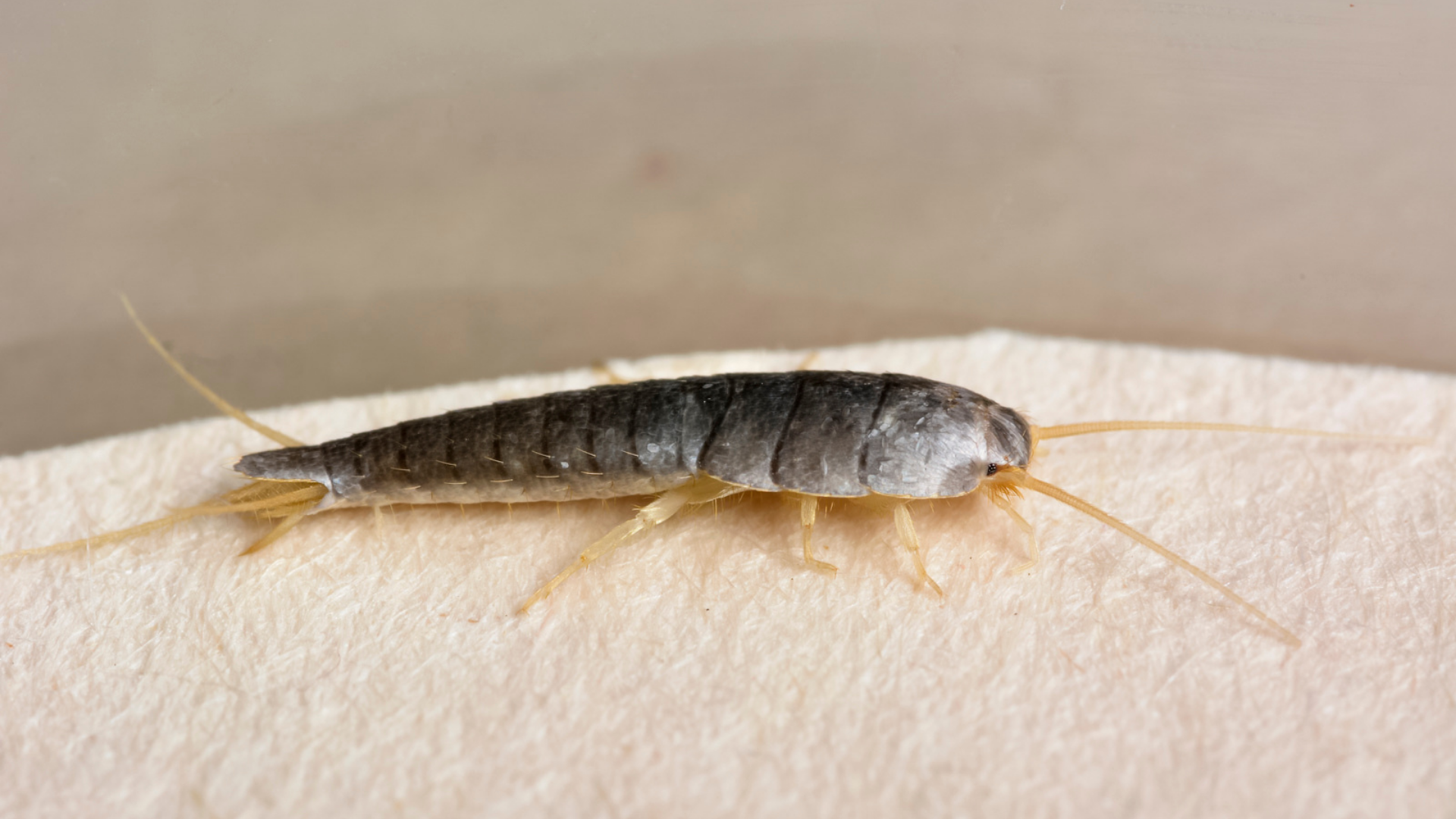
Silverfish are nocturnal insects that thrive in damp, dark environments. They are known for their destructive feeding habits on various household materials. Signs of an infestation include small holes or yellow stains on fabrics and paper, sightings of silverfish in damp areas, and scaled skins left behind. The damage they cause includes the destruction of books, wallpaper, and clothing, contamination of food supplies, and the potential for large infestations if unchecked. Silverfish are attracted to high humidity environments, dark, damp places, and starchy materials like paper and fabrics.
At 1st Defense Pest, we specialize in providing comprehensive pest control solutions tailored to your unique needs. Our expert team uses the latest techniques and products to ensure your home is pest-free and secure for your family. Contact 1st Defense Pest now to schedule an inspection and consultation.