Identifying Common Household Pests
Household Pest Threats Explained
No one really expects to deal with uninvited houseguests of the insect or rodent variety until it’s suddenly, unmistakably clear—they’ve moved in. Maybe it starts with a faint scratching in the walls late at night, or perhaps it’s a quick blur darting under the fridge when the light flicks on. However they show up, common household pests have a knack for catching people off guard.
What makes them so difficult to handle is how quietly and skillfully they settle into the cozy spaces of a home. Basements, attics, crawl spaces, pantries—these areas offer just the right mix of warmth, shelter, and easy access to food and water. Once they've found what they need, they can stick around for much longer than anyone would prefer. And while spotting one pest might not seem like a big deal, it's often just the tip of a much larger problem.
Understanding Who’s Behind The Intrusion
When people talk about “household pests,” they’re usually referring to a handful of particularly common culprits that have adapted remarkably well to life indoors. Mice and rats, for example, thrive in human environments because our homes are full of crumbs, open trash cans, and cozy hiding places. These critters are notoriously resourceful and can squeeze through surprisingly small gaps, meaning even a barely visible crack around a pipe or vent could be all it takes for them to find a way inside.
Then there are cockroaches—fast, sneaky, and seemingly built to withstand just about anything. These insects gravitate toward areas with high humidity and tend to hide out in dark places, which makes bathrooms, kitchens, and basements some of their favorite haunts. The trouble with cockroaches isn’t just that they’re unpleasant to see; they often carry bacteria and allergens that can linger in the air long after they’ve scuttled out of sight.
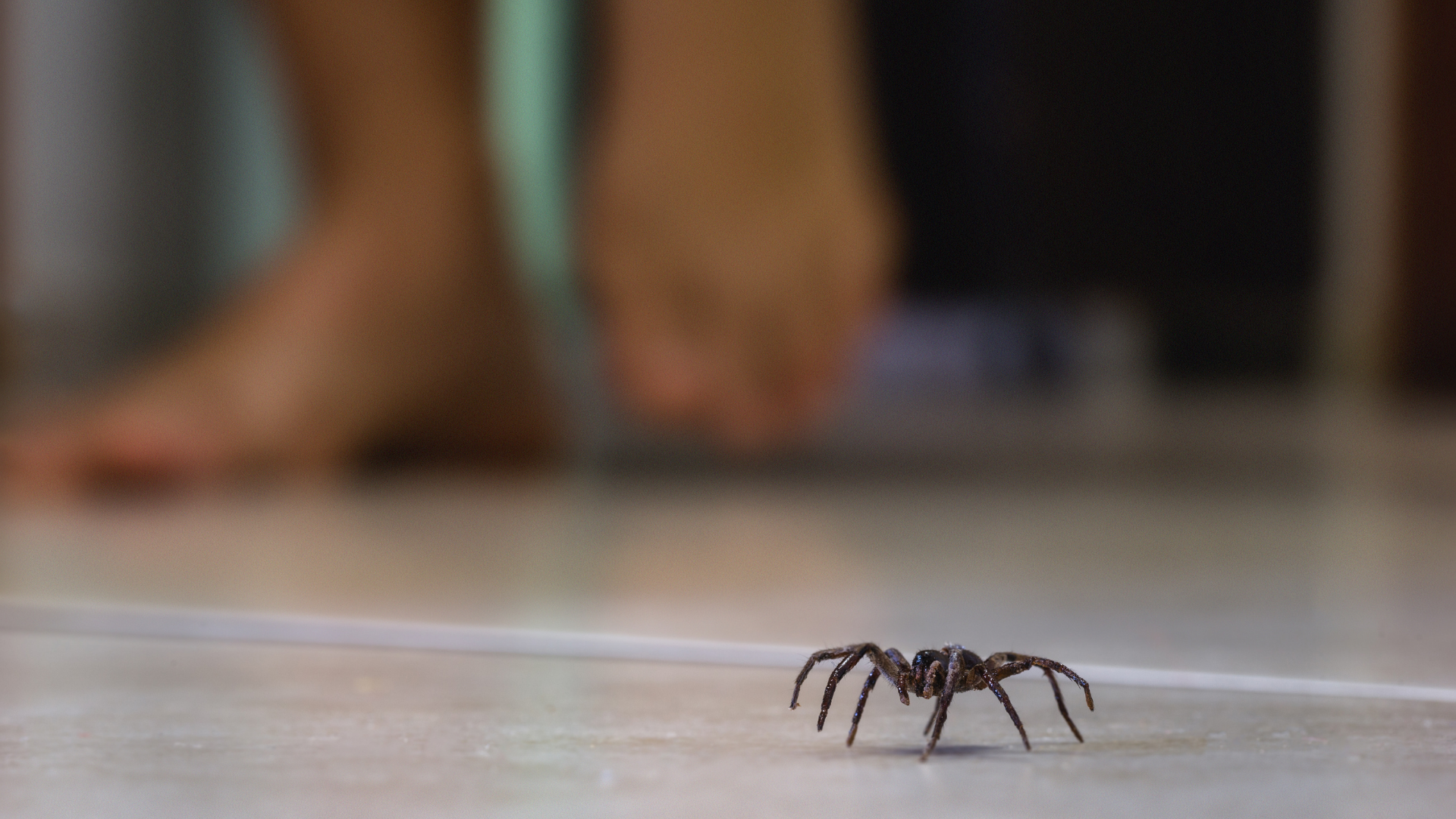
Spiders are another common sight in many homes, particularly in quiet corners, under furniture, or inside garages. While most household spiders aren’t dangerous, their webs and presence can be unsettling, and certain species do pose health risks if provoked. They’re not usually in a hurry to interact with humans, but they can quickly become a nuisance if their population gets out of hand.
Ants, too, are remarkably persistent. Once they find a reliable source of food—like a forgotten cereal box or a sticky spot on the counter—they’ll set up trails and call in reinforcements. It doesn’t take long for a few scouting ants to turn into an entire colony marching through the kitchen.
And then there are the silent intruders—termites. These insects are often out of sight until they’ve done considerable damage. They’re drawn to moisture and wood, and over time, they can weaken the very structure of a home. The worst part? They often go undetected until the signs are glaring: hollowed-out wood, warped floors, or bubbling paint.
Why They Choose Your Home
Pests don’t end up inside by coincidence. There’s usually something about the environment that attracts them—something they need to survive. Food and water are big draws, of course. Leftover crumbs, leaky pipes, pet food bowls, even fruit on the counter can be enough to lure insects and rodents in from the outside. And once they’re in, if the conditions are favorable, they’ll find ways to stick around.
Clutter, for instance, gives pests the perfect place to hide. Cardboard boxes, piles of laundry, old furniture—all of these offer shelter. Insects and rodents are particularly skilled at staying out of sight, and the more hiding spots they have, the more difficult it becomes to notice them early on.
Weather plays a role, too. As temperatures drop or heavy rain rolls in, pests look for dry, warm places to retreat. Homes provide exactly that, and if there are any weak points—cracks in the foundation, loose siding, damaged window screens—they’ll exploit them. Even something as simple as leaving a door open a bit too long on a humid day can be an open invitation.
What many people don’t realize is that pests often travel by accident. A few insects tucked into a grocery bag, a spider hiding in firewood, or a mouse hitching a ride in a storage box can all be accidental ways pests get brought indoors. Once inside, if they find the right conditions, they can quickly establish a foothold.
Dealing With The Problem Before It Grows
The tricky part about pest problems is that they can start small and quietly build up over time. A few ants today might not seem like much, but it could be the start of a larger invasion. One mouse sighting could mean there’s an entire nest somewhere in the walls. The sooner these issues are addressed, the easier they are to manage.
Homeowners often try to tackle the problem on their own at first. Traps, sprays, powders—there are plenty of over-the-counter options that might offer temporary relief. But without understanding the underlying cause or entry point, these quick fixes rarely last. A deeper inspection is usually needed to uncover the full scope of the issue and stop it from coming back.
Regular cleaning, sealing cracks and gaps, and storing food in airtight containers can help make a home less attractive to pests. Fixing leaks and addressing areas with moisture buildup also cuts down on what pests need to thrive. But even with the best preventive measures, infestations can still happen, especially in older homes or those surrounded by trees or fields.
When pest issues start to spiral or the signs become too frequent to ignore, it’s a clear signal that professional help might be necessary. What sets pest control experts apart is their ability to not only identify the source of the problem but to treat it in a way that interrupts the pest’s entire lifecycle, not just the visible surface issue.
Know What’s Lurking, Act When It Counts
Identifying common household pests is about more than recognizing what’s crawling across the floor. It’s about understanding why they’re there, how they got in, and what they’re doing while they’re out of sight. The longer they stay, the harder they are to get rid of, and the more damage they can cause.
At 1st Defense Pest Solutions, we’re trained to spot what others might miss. Our team knows the behaviors and patterns of these pests inside and out, and we know how to take action that actually works. Whether you’ve got ants in the kitchen, mice in the attic, or something you can’t quite identify, we’re ready to dig in and help reclaim your space. Don’t wait for the problem to grow—contact us today and let’s take care of it before it turns into something bigger.