How To Pest-Proof Your Garage
Stop Bugs From Invading Your Garage
Garages often become unintentional welcome mats for unwanted critters. They're typically dark, a bit forgotten, and full of the exact things pests look for—entry points, clutter, food, and moisture. While the garage might not seem like a primary concern when thinking about pest control, it’s actually one of the first spots tiny invaders breach before making their way through the rest of the house. Understanding how and why they choose your garage is the first step to keeping them out for good.
Weak Seals And Structural Gaps Are An Open Invitation
One of the most overlooked features of a garage is its perimeter. Garage doors, by nature, don’t seal quite as snugly as other exterior doors. Over time, the rubber or vinyl weather stripping at the base and sides can wear down, tear, or warp. Once that barrier weakens, insects, rodents, and even snakes can slip through with ease. Even newer homes aren't immune—small gaps around pipes, vents, or corners can offer just enough space for pests to make their way inside.
It’s not just the garage door itself. Many garages include side entry doors or even windows that don’t close completely or lock properly. These access points are rarely checked regularly, and they can slowly widen due to shifting foundations or aging materials. Once a small pest gets through, it might chew or dig to widen the opening for others. This can quickly lead to a full-blown infestation before anyone even realizes there’s an issue.
Adding or replacing threshold seals, caulking cracks, and installing tight-fitting sweeps under doors won’t make a garage impervious to determined pests, but it significantly reduces the chances of intrusion. The determination of these small invaders usually leads them to find entry points that were previously unnoticed and using them to enter homes with very little resistance.
Clutter Creates A Hidden Haven
If there’s one thing these nuisances love as much as food, it’s clutter. Garages are infamous for being the “catch-all” for everything that doesn’t quite belong inside—boxes of holiday decorations, piles of tools, spare wood, and bins of clothes or paper. From their perspective, the more there is to hide behind or inside of, the more inviting the space becomes.
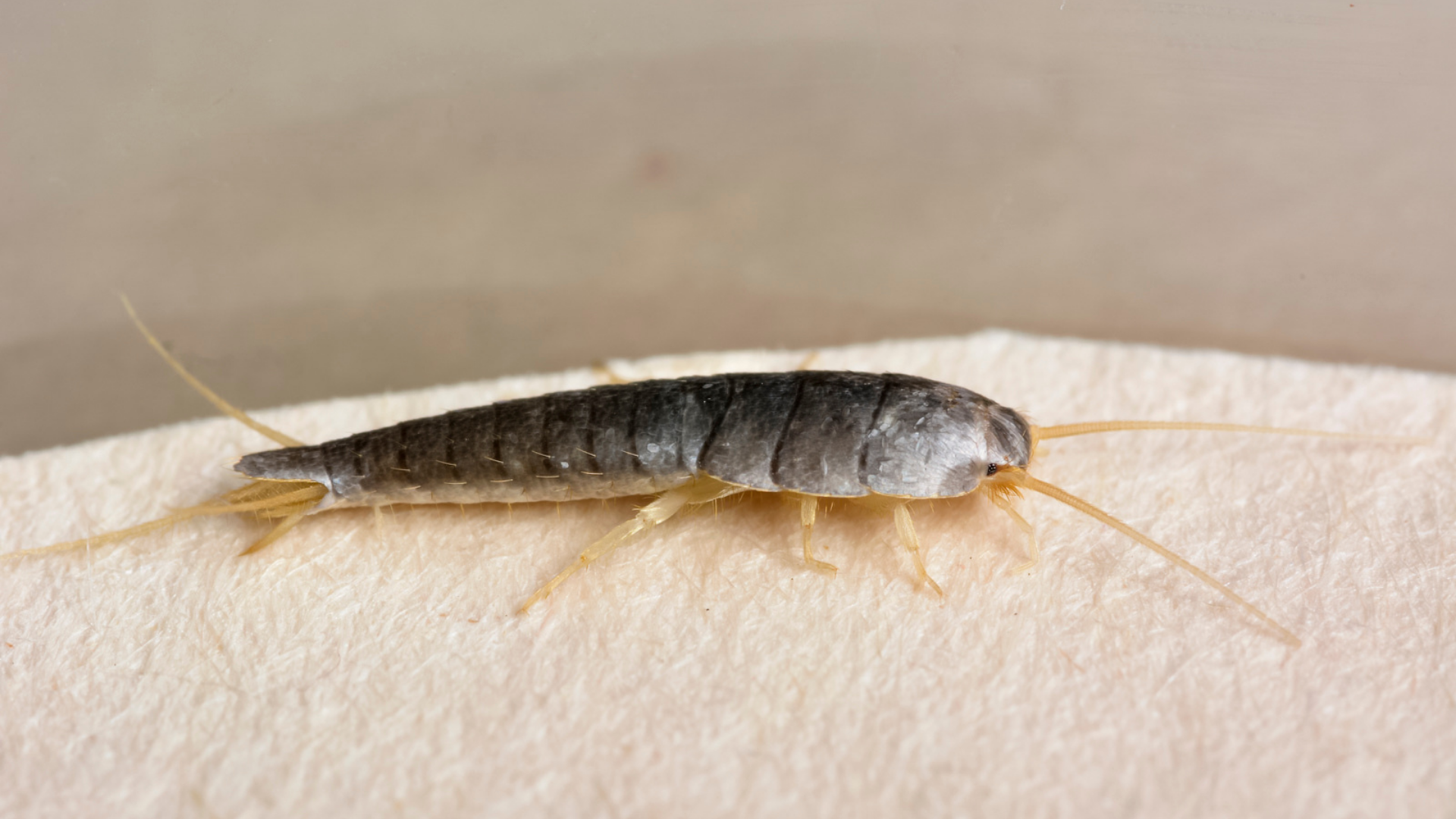
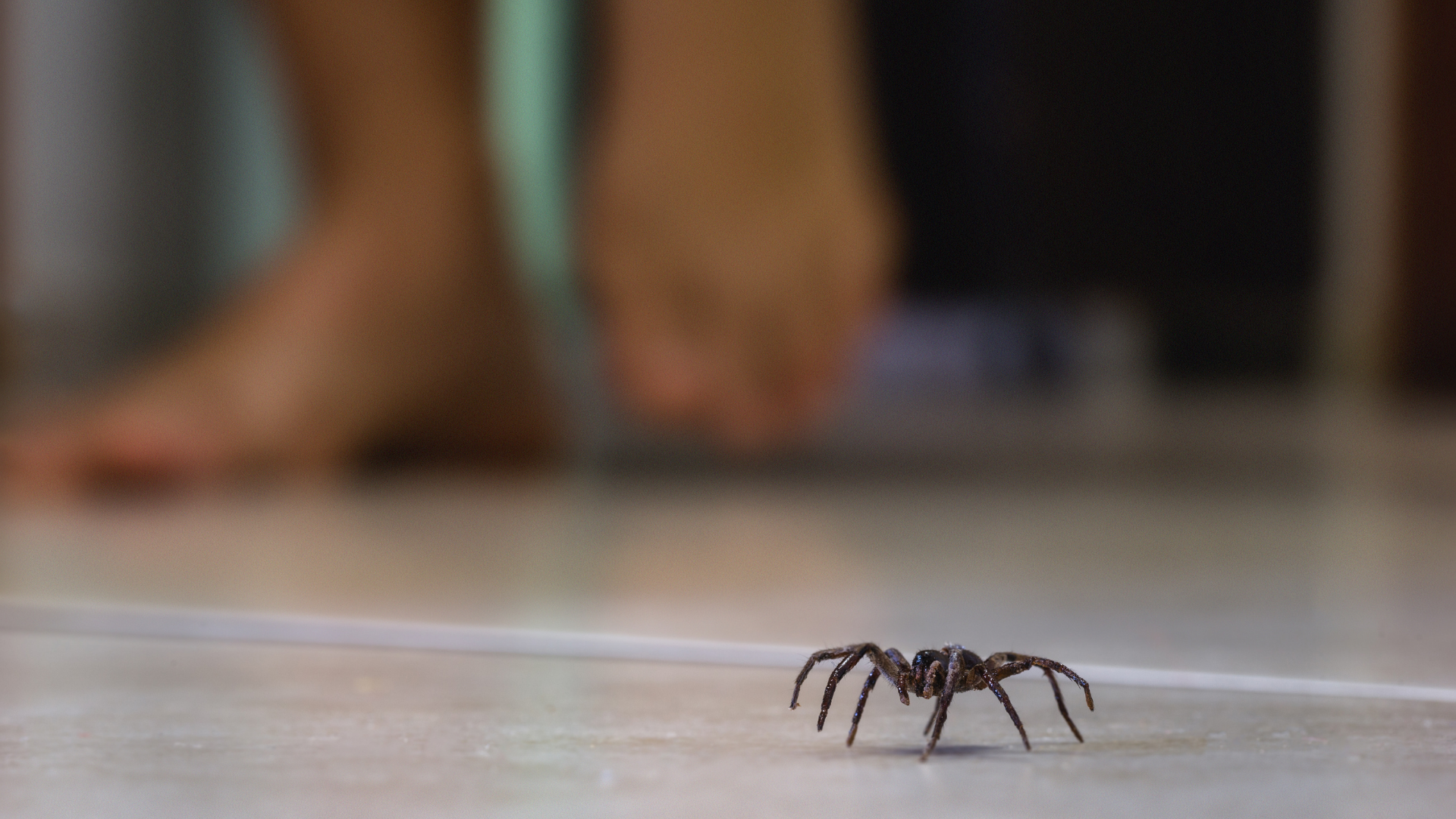
Rodents will tunnel into soft materials or chew through cardboard to build nests. Spiders take advantage of dark corners and rarely moved items to spin webs and lay eggs. Even cockroaches and silverfish will hunker down behind undisturbed clutter. Once they find that a garage offers warmth, darkness, and protection from predators, they’re likely to stick around—and reproduce.
Minimizing clutter isn’t just about aesthetics or organization. It’s a vital part of pest control. Stacking items too closely to walls or on the floor provides ample opportunity to hide and multiply. The less contact belongings have with the ground or surrounding walls, the harder it is for pests to find refuge.
Garages that are regularly cleaned and organized tend to experience fewer infestations. Even small changes—like moving boxes onto shelving units or using tightly sealed containers instead of open bins—can make a surprising difference. It becomes much easier to spot the signs before the intruders spread and harder for them to find the hidden nooks they rely on.
Food Sources, Including Pet Supplies, Are A Magnet
It might seem obvious, but garages often store the one thing pests want most: food. And it’s not always in the form of trash or crumbs. One of the biggest attractants hiding in plain sight is pet food. Whether it's a bag of dry kibble stashed on the floor or spilled birdseed near a workbench, even a small amount is enough to draw rodents, ants, and more.
Pet food isn’t just a snack; it’s an entire buffet. The high protein and fat content are extremely appealing, especially to mice and rats. Once they discover a food source that’s easy to access and consistently replenished, it becomes difficult to drive them away. And if that food is stored in a bag that’s been chewed open or left unsealed, it’s a guaranteed hotspot.
The problem doesn’t end with pests eating the food. Once they arrive, they often contaminate the area with droppings, urine, and nesting materials. This can quickly become a health concern, particularly when the garage is attached to the home.
Proper storage can change the game. Pet food and birdseed should be kept in thick plastic or metal containers with secure lids. Leaving it in the original packaging, even if it's resealed, isn’t enough to keep determined pests out. Cleaning up spills right away and storing food higher up rather than on the floor also helps cut down on pest interest.
Moisture And Temperature Fluctuations Add To The Problem
Though it’s not as obvious as food or shelter, moisture is a key component of why pests enter garages. Damp corners, condensation around water heaters, or pooled water from cars and rain gear all create an environment that supports pest survival. Insects like silverfish, earwigs, and centipedes thrive in these conditions. And once the bugs show up, predators like spiders follow close behind.
Garages often experience more dramatic temperature swings than other parts of the house. These shifts can attract pests looking to escape extreme heat or cold. A cool, dark garage in summer might seem like the perfect retreat, while in winter, the residual warmth and protection from wind and snow make it a cozy hiding place.
Keeping the area well-ventilated and monitoring for leaks or damp spots helps limit this appeal. Dehumidifiers can be useful in garages prone to retaining moisture, especially those with poor airflow. Even something as simple as a well-placed fan can help regulate temperature and reduce humidity enough to make the space less inviting to pests.
Many garages lack proper insulation, making them more vulnerable to external temperatures. That’s another reason pests choose them as entry points—they're easier to infiltrate than the main house. Sealing these gaps and managing the environment inside helps cut down on unwanted guests trying to ride out the season indoors.
Pest-proofing a garage takes a combination of awareness and action. From replacing worn-out seals to rethinking how and where supplies are stored, small adjustments go a long way in keeping pests from settling in. But when those changes aren’t enough—or if signs of infestation have already appeared—it helps to have professionals who know exactly what to look for and how to stop it from getting worse.
At 1st Defense Pest Solutions, we understand how overlooked garages can become a major access point for pests. We’re here to help identify weak spots, eliminate active infestations, and make sure your garage doesn’t become a long-term home for unwelcome visitors.
Contact us today, and let’s work together to protect every corner of your home—starting with the garage.