Do Bugs Hibernate?
Where Do Bugs And Nuisance Animals Go In The Winter?
We have a lot of different invasive animals and insects in Wisconsin. For homeowners in the Badger State, pest problems are extremely common. (Dare we say they badger the heck out of us?) Some people might even look forward to our long, harsh winters to enjoy some relief from those aggravations. But if that sounds like you, think again. While it is true that pest activity gets quieter as temperatures drop, you shouldn’t make the mistake of thinking it goes away. Yes, some pests hibernate. Others naturally die off, and some relocate to warmer climates. But many are still around and active in cold weather, and even though you don’t see them as much, they could still be causing trouble.
So, which pests in the La Crosse area hibernate? We’ve got the lowdown on the ones that do, the ones that don’t, and what you need to know about pest control in the Wisconsin wintertime.
Rodents
Of the many different rodents in our state, only groundhogs and chipmunks truly hibernate. Both pests slumber the winter away until the weather warms up. Rats, mice, and squirrels, however, are different. These rodents enter a daily state of torpor and become less active, but they still forage for food and move around throughout the season. They can even become more problematic for homeowners because your house suddenly looks like a much cozier spot to live in than a frozen tree stump.
Pocket gophers and voles, meanwhile, are tunneling rodents that stay active throughout the winter, even though they spend more time deeper underground. Furthermore, they need to eat even more during winter to maintain their body temperature. So, your landscape may be hidden under a blanket of snow, but your vegetation is not hidden from them. Your roots are still providing dinner.
Insects
Bed bugs don’t hibernate during winter, but if they are outside, they enter a dormant state called diapause, which enables them to survive the cold. However, bed bugs would much rather enter your house than enter diapause. Warm, comfy, and brimming with their favorite food source, you. Your home is susceptible to these bloodthirsty parasites year-round, and perhaps even more so in the winter.
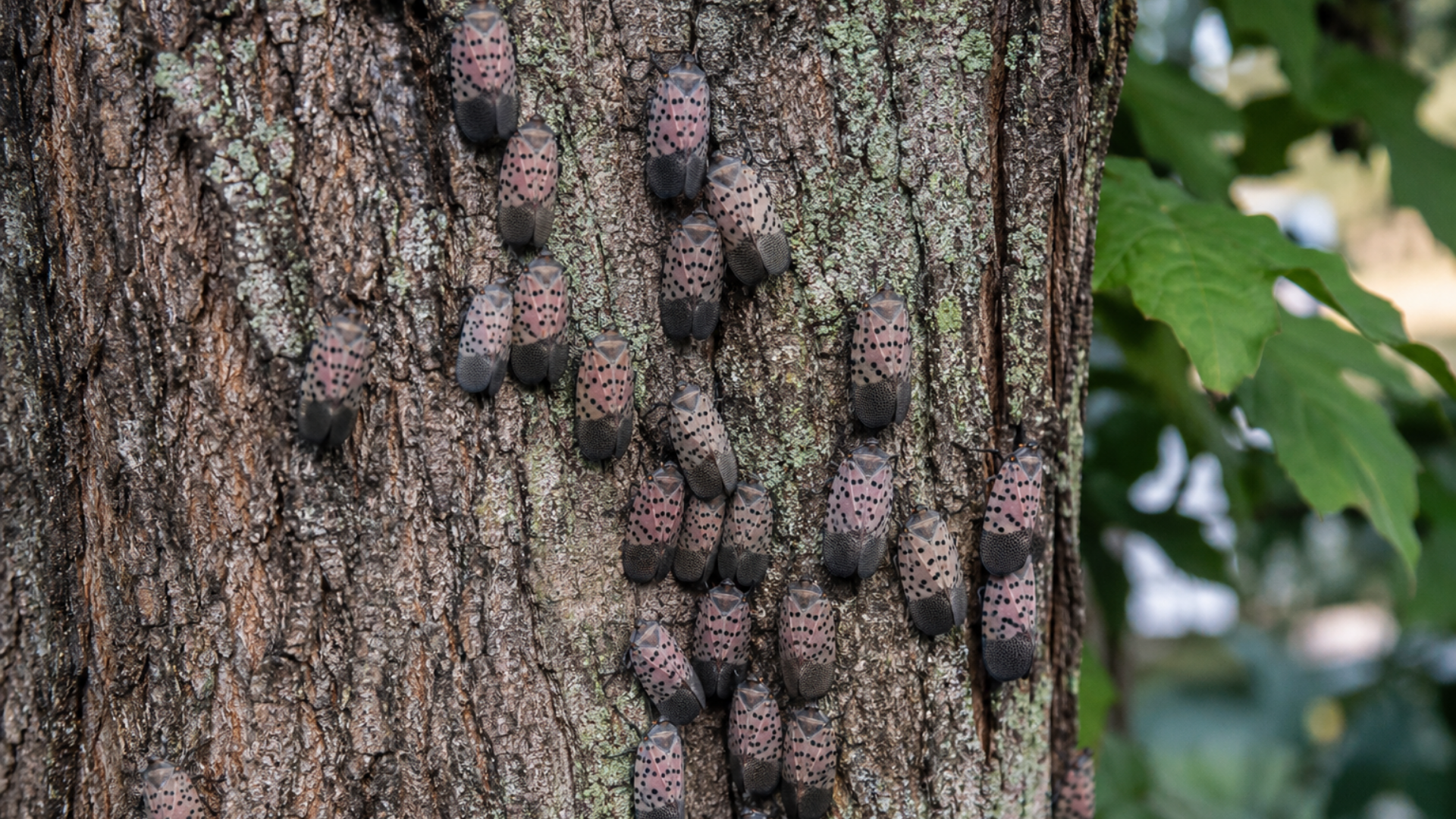
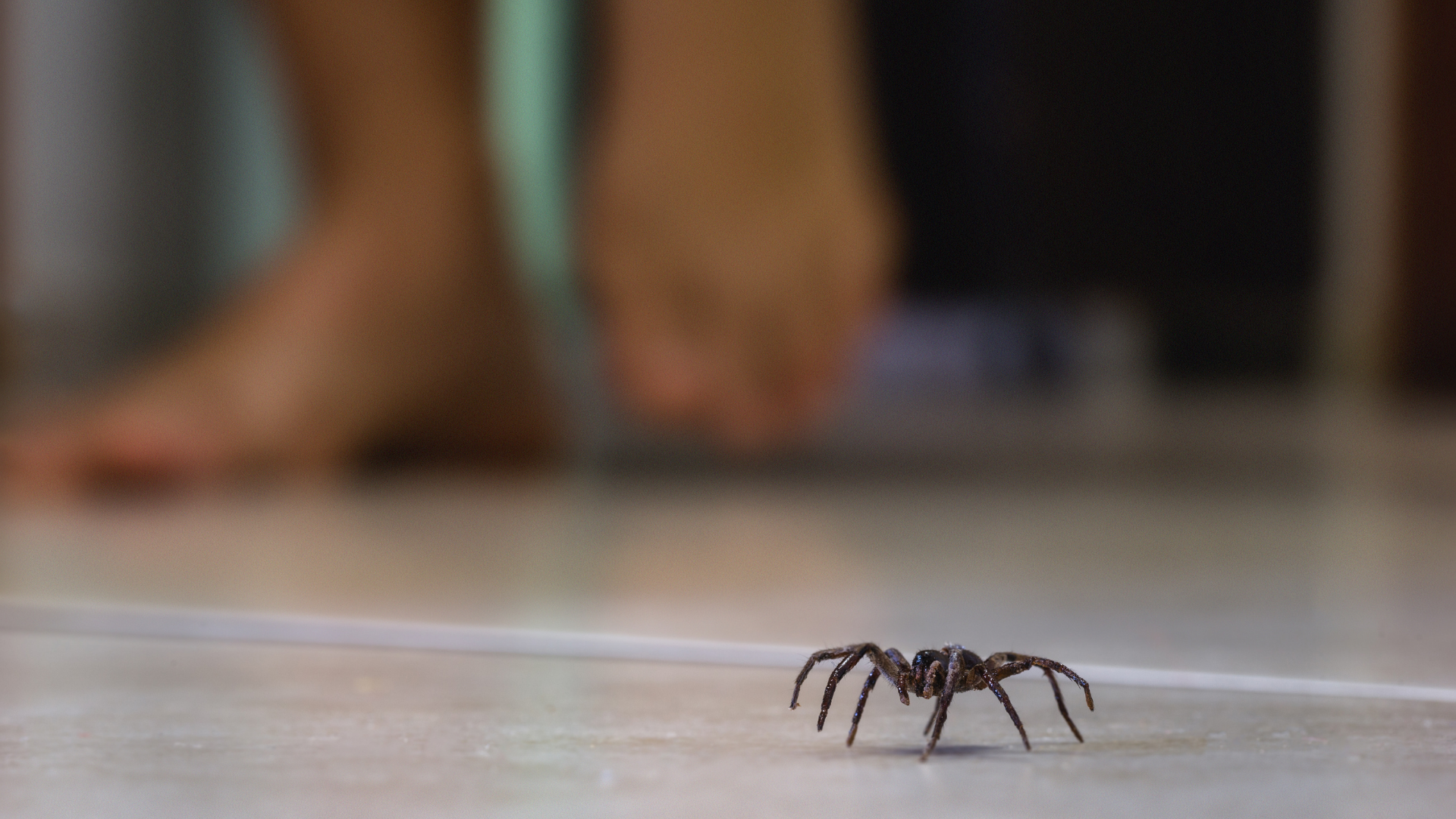
Other insects that sometimes go into diapause but would prefer to invade your home in winter include many different species of beetles (like stink bugs), cockroaches, ants, and spiders.
Termites, on the other hand, never hibernate or go into diapause. Instead, they remain active throughout the cold-weather months. And just like the troublesome assortment of bugs mentioned above, termites could become an even greater problem in winter because the warmth of your home becomes just as tempting as your tasty wooden structures to these destructive insects.
Other Animals
Snakes, frogs, and turtles are also common around La Crosse. Reptiles have their form of hibernation called brumation. They naturally become more sluggish in winter because they are cold-blooded and cannot regulate their body temperature. And yes, they can become more attracted to your home during the winter for the heat it provides. Rest assured (or uneasy?) that at least a few snakes are spending the winter in La Crosse basements.
We also have one talented reptile in Wisconsin, the humble wood frog, that can do something amazing that no other animal does. It freezes solid in the winter and then thaws out in the spring, awake and fully functional. No, the wood frog is not really a pest, but how could we not mention this little green magician?
You may not view the reptiles mentioned above as true pests, but one animal is a definite pest to Wisconsin homeowners in the winter: the bat. Bats are mammals and the only ones that can fly on the planet. Some bats hibernate, some migrate, and some do neither, but most of the time, bats look for a warm, quiet, out-of-the-way spot to spend the winter, like your attic.
What It Means
The important takeaway here is that pests can be a problem year-round. Yes, some may hibernate, and some may not. And many behave differently as the weather turns colder, but that is not necessarily good. Infestations can often begin in the winter. Be diligent and alert to a potential pest presence in your home, even when the snow flies.
The Wisest Action
If you suspect a wintertime pest issue or discover a hibernating creature in or near your home, it's time to bring our professionals in to help. As La Crosse’s top-rated pest control specialists, we know how to resolve pest problems at any time of year, and we are trained to deal with hibernating animals, too. We also provide timely inspections as well as great prevention services like exclusion.
Contact us today at 1st Defense Pest Solutions and allow us to assist you.